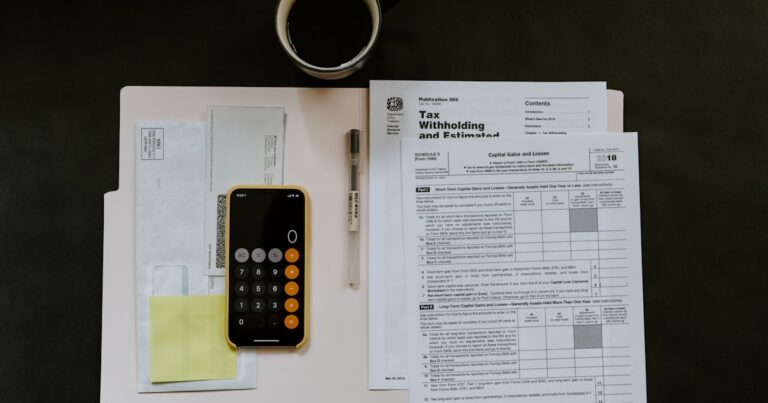

A tax depreciation schedule (also called a quantity surveyor report) is a document prepared by a licensed quantity surveyor that itemises every depreciable component of your investment property — from the building structure itself to the carpet, blinds, air conditioning, hot water system, and kitchen appliances — and calculates the depreciation deduction you are entitled to claim on each component each year. For most Australian investment property owners, a depreciation schedule unlocks thousands of dollars in additional tax deductions that would otherwise go unclaimed — and because depreciation is a non-cash deduction (you do not spend any money to claim it), it is essentially free tax relief. This guide explains how depreciation works, how much you can claim, who benefits most, and how to get a schedule.
Two Types of Depreciation You Can Claim
Division 43 — Capital Works (Building Allowance): This is depreciation on the physical building structure — concrete, brickwork, roofing, windows, plumbing, and wiring. Residential properties built after 15 September 1987 can be depreciated at 2.5% of the original construction cost per year. A property that cost $300,000 to construct (build cost, not land value) would generate $7,500/year in Division 43 deductions. The deduction is available for 40 years from the date of construction. Division 43 depreciation is available even if you did not build the property — as a subsequent owner of a relatively new property, you can still claim the remaining depreciation years. Division 40 — Plant and Equipment (Fixtures and Fittings): This covers removable assets within the property — carpet, blinds, hot water systems, air conditioning units, dishwashers, ovens, ceiling fans, smoke alarms, and more. These assets are depreciated at different rates over their effective life (as set by the ATO) using either the diminishing value or prime cost method. Division 40 depreciation is now only available on plant and equipment you directly purchase — from 9 May 2017, investors who purchase second-hand residential properties cannot claim Division 40 depreciation on existing assets (only on new assets they install themselves, such as a new hot water system they replace). New properties and commercial properties are not affected by this restriction.
Typical Depreciation Deductions — First Year by Property Type
A quantity surveyor schedule typically costs $700–$1,200 — a once-off expense that is itself tax deductible. On a new property, Year 1 deductions can exceed $15,000–$25,000, potentially saving $7,000–$11,750 in tax at the 47% marginal rate. Even on a 5-10 year old property, $5,000–$12,000 in annual Division 43 deductions are common. The schedule is used for the life of the property (or until you sell), so the one-off cost is amortised over many years of use.
Who Benefits Most from a Depreciation Schedule?
Depreciation schedules are most valuable for: New property buyers — all depreciation is available (both Division 43 and Division 40), and construction costs are highest so the deductible base is largest. Brand new house and land packages and off-the-plan apartments typically offer the best depreciation profiles. Buyers of relatively new second-hand properties (post-1987) — Division 43 building allowance is still available for the remaining years from construction date. If a property was built in 2010 and you buy it in 2026, you have 24 remaining years of 2.5%/year depreciation on the original construction cost. High marginal rate investors — at 47%, every $1 of depreciation deduction saves 47 cents. The higher your tax rate, the more valuable each dollar of depreciation. Negatively geared investors — adding depreciation deductions to an already negatively geared position increases the tax loss and therefore the ATO refund, improving effective cash flow without any additional cash outlay.
When Is a Depreciation Schedule NOT Worth Getting?
Not worth getting for: pre-1987 properties where no Division 43 is available and Division 40 restrictions since 2017 mean minimal remaining benefit; very old second-hand properties near the 40-year Division 43 expiry; or investors on very low marginal tax rates (below 32.5%) where the deduction savings are smaller relative to the schedule cost. If you are unsure whether your property will generate enough depreciation to justify the schedule cost, most qualified quantity surveyors offer a free desktop estimate — ask for one before commissioning the full report.
A tax depreciation schedule is one of the first things you should commission after settling on a new investment property — before your first tax return is lodged. The cost is under $1,200, it is tax deductible, and the deductions it unlocks run for years or decades. Every year you delay is a year of unclaimed deductions that you cannot go back and recover.
One Property at a time
Brick by Brick 🧱
General Advice Warning: This article is general in nature and does not constitute personal financial advice. Please consult a licensed financial adviser before making investment decisions.