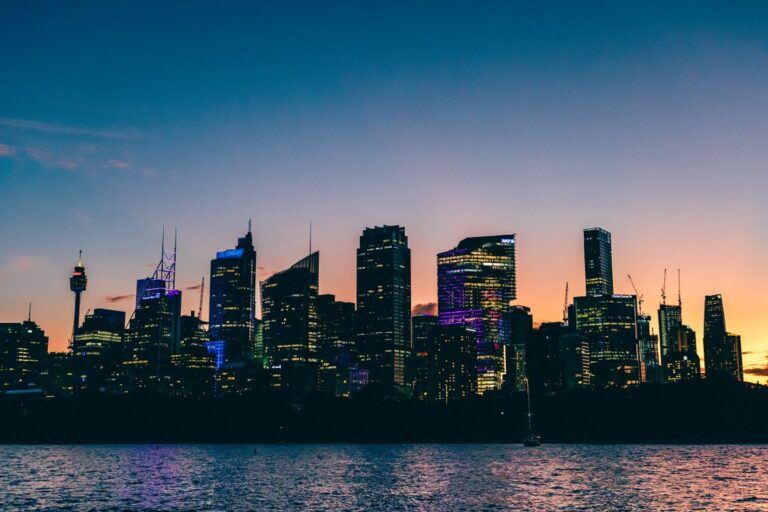

The Gold Coast has transformed from a holiday strip into one of Australia’s most genuinely investable property markets. With a population approaching 700,000, its own university (Griffith, Bond), major hospitals, a growing tech and professional services sector, and year-round tourism, the Gold Coast’s rental demand now extends well beyond holiday visitors. For investors in 2026, this is a mature, diversified market with strong fundamentals — not the speculative holiday city it was in the 1990s.
Gold Coast Market Snapshot 2026
The Gold Coast’s median house price sits at approximately $950,000–$1,050,000 across the broader city, with significant variation by suburb — from $650,000–$800,000 in the outer western suburbs (Ormeau, Pimpama, Coomera) to $1.2M–$2M+ in premium beachside and hinterland suburbs (Mermaid Beach, Broadbeach Waters, Burleigh Heads). Gross rental yields are 4.0%–5.5% in mid-range suburbs and 3.0%–4.0% in premium coastal areas. Queensland’s investor-friendly land tax thresholds (higher than Victoria and NSW) are an ongoing structural advantage. Vacancy rates across the Gold Coast LGA have been tight at 1.0%–2.0% since 2021.
Gold Coast — Suburb Price Tiers 2026
Southport, Labrador, and Nerang offer the best yield-to-price ratio for Gold Coast investors in 2026. Northern growth corridors (Coomera, Pimpama) offer affordability and strong family rental demand.
Best Gold Coast Suburbs for Investment 2026
Southport: The Gold Coast CBD, median $650,000–$850,000, strong rental demand from hospital workers (Gold Coast University Hospital is the largest in Queensland), Griffith University students, and professionals. Yields 4.5%–5.5%. Labrador / Biggera Waters: Across the broadwater from Surfers Paradise, more affordable ($600,000–$780,000), strong family and worker rental demand, good yield. Nerang / Carrara: Mid-hinterland, affordable ($600,000–$750,000), strong worker rental demand, good highway access. Consistent demand, not dependent on tourism. Coomera / Pimpama / Ormeau: Northern growth corridor, brand-new housing estates, median $620,000–$780,000, strong family demand from Brisbane overflow. Growing employment base. Burleigh Heads / Miami: Premium lifestyle suburbs, median $1.2M–$1.8M, strong long-term capital growth but yield compressed to 3.5%–4.0%. Best for capital growth rather than yield.
What to Avoid on the Gold Coast
High-rise unit towers in Surfers Paradise and Broadbeach: chronic oversupply, body corporate fees that erode yield, and tenant demographics dominated by short-term and holiday letting rather than stable long-term renters. Holiday letting competition (Airbnb) inflates some coastal property prices beyond investment fundamentals. Any off-the-plan purchase in a high-density tourist precinct should be avoided — resale to owner-occupiers is difficult and the investor-dominated ownership base creates collective action problems in building management.
The Gold Coast is no longer just a holiday market — it is a genuine city with genuine rental demand from genuine workers. The investors who understand this distinction buy in Southport, Labrador, and the northern growth corridor. The ones who don’t buy in Surfers Paradise tower blocks and wonder why their yield is 2.5%.
One Property at a time
Brick by Brick 🧱
General Advice Warning: This article is general in nature and does not constitute personal financial advice. Please consult a licensed financial adviser before making investment decisions.