
Granny flat investment in Australia has surged in popularity as investors search for ways to boost rental yields without buying a second property. A secondary dwelling built on an existing block — sometimes called a granny flat, secondary dwelling, or accessory dwelling unit — can generate an additional $200-$450 per week in rental income from a structure costing $80,000-$180,000 to construct. But the numbers only work under specific conditions, and council approval rules vary dramatically by state and suburb.
What Is a Granny Flat and Why Do Investors Build Them?
A granny flat is a self-contained secondary dwelling on the same lot as a primary residence. It has its own entrance, kitchen, bathroom, and living space — typically 40-80 sqm. Investors build them for two reasons: to generate additional rental income from land already owned, and to improve the overall yield of an investment property without the stamp duty and purchase costs of buying a second asset. A $120,000 granny flat generating $350/week rent represents a gross yield of around 15% on the construction cost alone — though the return on the combined property cost is the more relevant figure.
Granny Flat Investment — Key Metrics Australia 2026
Return figures are on construction cost only — not total property value. The combined yield improvement on the full property cost is the relevant investment figure. NSW has the most permissive secondary dwelling rules; check council requirements in your specific LGA before purchasing a block.
NSW: The Most Granny-Flat-Friendly State
New South Wales has the most permissive granny flat rules in Australia. Under State Environmental Planning Policy (Housing) 2021, a secondary dwelling is permitted as complying development on lots of 450 sqm or more in most residential zones — no DA required, just a Complying Development Certificate (CDC). Size limit is the greater of 60 sqm or 25% of the principal dwelling’s floor area, up to 60 sqm. This CDC pathway dramatically reduces approval time from 6-12+ months (DA) to 6-10 weeks. Western Sydney (Blacktown, Penrith, Liverpool, Camden), Newcastle surrounds, and Wollongong are hotspots for granny flat construction.
Queensland, Victoria and WA Rules
Queensland allows secondary dwellings in most residential zones, subject to council approval (no state-wide CDC equivalent like NSW). Processing times vary by council — Brisbane City Council is generally efficient (~3-4 months). Victoria’s secondary dwelling rules are council-specific and more restrictive in established suburbs — minimum lot sizes of 500-600 sqm+ and rear setback requirements limit viability on many standard suburban blocks. Western Australia has a relatively permissive framework: secondary dwellings permitted on R-coded lots (typically R20 and above), with a 70 sqm maximum.
Tax Treatment of Granny Flat Rental Income
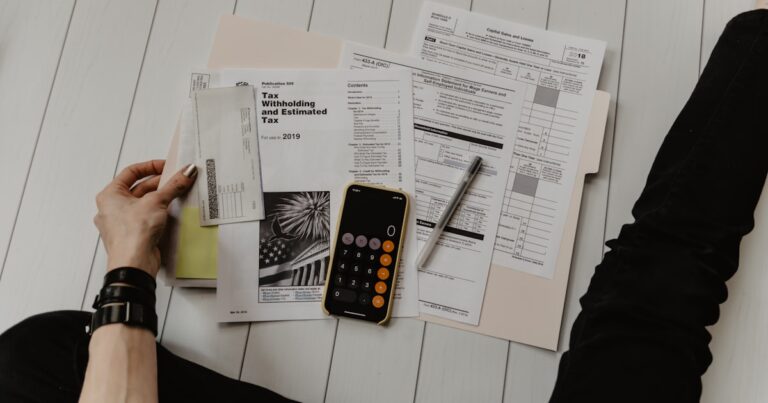
Rental income from a granny flat is assessable income and must be declared on your tax return. All expenses attributable to the granny flat are deductible — a portion of rates, insurance, land tax, and mortgage interest if the main property is financed. New construction qualifies for Division 40 (plant and equipment) and Division 43 (capital works) depreciation — engage a quantity surveyor for a depreciation schedule. Capital gains tax applies when you sell. Note: if you live in the main dwelling and rent the granny flat, you may lose access to the main residence CGT exemption on the portion of land used for income production — confirm with your accountant.
When a Granny Flat Does Not Work
Granny flats make financial sense only when: the block is large enough to meet council minimums; there is genuine rental demand for small dwellings in the area; the construction cost is proportionate to the income generated; and the combined property cost still produces an acceptable total yield. They rarely make sense in: very small lots under 450 sqm; rural areas with limited rental demand; flood-affected or bushfire overlay land; and body corporate/strata lots (not permitted).
Granny flat investment is one of the most capital-efficient strategies available to Australian investors who already own land — provided the lot, council rules, and rental market align. The NSW CDC pathway has made this particularly accessible in Sydney and surrounds. Run the numbers on your specific property before building: the income boost must justify the construction cost relative to your total investment position.
One Property at a time
Brick by Brick 🧱
General Advice Warning: This article is general in nature and does not constitute personal financial advice. Please consult a licensed financial adviser before making investment decisions.