If you’re trying to figure out how to buy investment property in Australia, you’re in the right place.
Most people who want to invest in property spend months reading about it and never actually buy anything. Not because the market is wrong or the timing is off. Because nobody ever showed them a clear starting point.
This is that starting point.
I bought my first investment property in Whitby, Perth with no mentor, no property coach, and no family background in real estate. I figured it out through trial and error, a lot of research, and more than a few conversations with accountants and mortgage brokers who spoke in jargon I had to google afterwards. This site is what I wish had existed when I started.
Everything here comes from direct experience. Two investment properties, real numbers, and no courses to sell you.
Step 1: Understand the difference between buying a home and buying an investment
This sounds obvious but it catches out a lot of first-time investors. When you buy a home, you are optimising for how you want to live. When you buy an investment property, you are optimising for how other people want to live, and what that is worth to you financially.
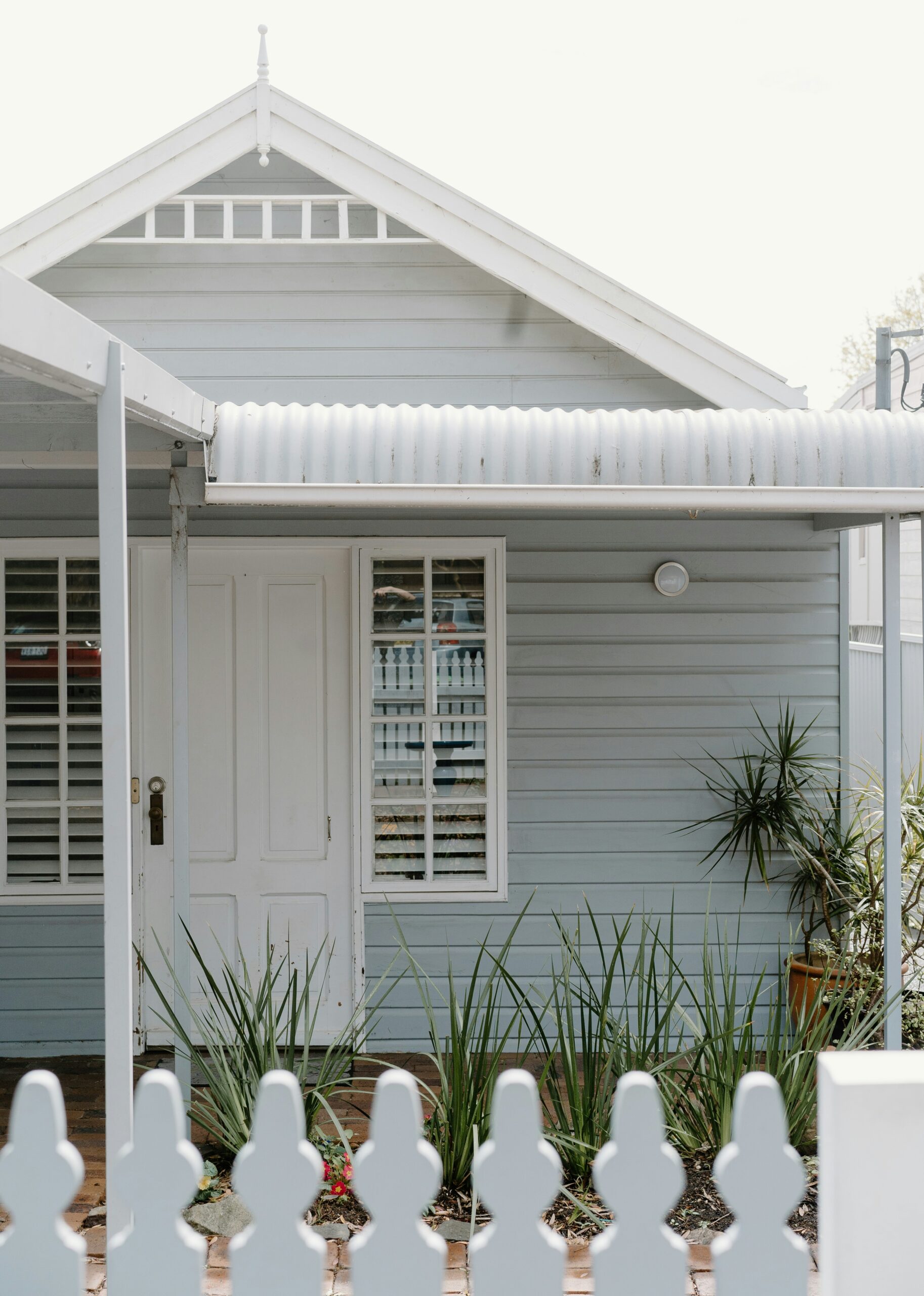
The property I would choose for myself is not the property I would choose as an investment. Personally I would want something with character, a decent garden, close to the coast. My investment properties are suburban three-bedroom houses in Whitby that appeal to families renting in a commuter belt. Practical, functional, and in consistent demand. There is nothing glamorous about them and that is exactly the point.
The first question to ask before you look at a single listing is not “do I like this suburb?” It is “would someone want to rent here, and at what price?” Two numbers matter: rental yield (what the rent returns relative to the purchase price) and your borrowing capacity (what the bank will lend you and what that costs each month). Most first-time investors learn about one and overlook the other.
A property with strong growth potential but weak rental income leaves you funding the gap every single month. A property with strong rental income but no growth builds cash flow but wealth slowly. Perth has been one of the rare markets delivering both in recent years, which is a large part of why I focussed here rather than looking at Sydney or Melbourne.
To understand the numbers properly before you commit to anything: Rental Yield in Australia: What’s a Good Return on Your Investment Property?
Step 2: Sort your finance before you fall in love with an address
The most common mistake first-time investors make is finding a property they want and then scrambling to work out if they can afford it. Do it the other way around. Know your numbers first, get pre-approval sorted, and understand exactly what your repayments look like across different price points before you step inside a single open home.
A few things catch investors off guard the first time they sit down with a bank or broker. Your borrowing capacity as an investor is assessed differently from borrowing as an owner-occupier. Banks apply a higher stress test rate and will typically count only 70-80% of the rental income you expect to receive, not the full amount. This can meaningfully affect what they will lend you.
The structure of your loan matters too. Many investors use interest-only loans on their investment properties to keep repayments lower and improve their cash flow position, while paying principal and interest on their home loan. Whether that makes sense for you depends on your tax situation, so get advice from both a mortgage broker and an accountant before you commit to a structure.
I used a mortgage broker rather than going directly to a bank and I would recommend that to anyone starting out. A broker who works primarily with investors understands the loan structures that work, knows which lenders assess rental income more favourably, and can help you position your borrowing so your first purchase does not close off future ones.
Also factor in your upfront costs properly. In Western Australia you are looking at the purchase price plus stamp duty, settlement costs, and usually some initial maintenance. On a $550,000 property in WA, stamp duty alone runs around $18,000. Budget for total upfront costs of 5-7% above purchase price, on top of your deposit.
Run the repayment numbers on any property before you inspect it using the Investment Property Mortgage Calculator on this site. Knowing your numbers before you walk through the door changes how you evaluate everything you see.
Step 3: Know what it actually costs to hold the property
The mortgage repayment is not the full story, and this is where a lot of first-time investors get an unpleasant surprise. There are consistent holding costs on every investment property, and most people underestimate them when they are first running the numbers.
For a typical Perth investment property renting at around $550 per week, you are also carrying property management fees (typically 8-10% of rent plus GST, plus various other charges), council rates, water rates, landlord insurance, a maintenance budget, and an allowance for vacancy between tenancies. On my Whitby properties, these costs add up to roughly $9,000-$10,000 per year per property, not including the mortgage.
This is the gap between gross yield and net yield, and it is significant. A property advertised with a 5% gross yield might net closer to 3.5% after all costs are paid. That is still a solid outcome, particularly if the property is also growing in value, but you need to understand what you are actually working with before you buy rather than after.
The cost I was least prepared for when I started was property management. Not because the fees were unreasonable, but because I did not fully understand how the fee structure worked. There is the base management percentage, then there are letting fees when a new tenant moves in, advertising fees, lease renewal fees, routine inspection fees, and more. Once you understand what is normal, what is negotiable, and what is genuinely excessive, you are in a much stronger position.
For a full breakdown of what you should and should not be paying: Property Management Fees in Australia: What’s Fair in 2026
Step 4: Choose the right location, not just the right property
You can renovate a property. You cannot renovate a suburb. The single decision with the most long-term impact on an investment property is where you buy, and it deserves more time and research than most first-time investors give it.
When I assess a location, I look at vacancy rates first. According to SQM Research, a suburb where vacancies consistently sit below 1% is telling you that rental demand is structurally strong, not just temporarily tight. Perth’s outer southern corridor has seen vacancy rates well below 1% for an extended period, driven by population growth and a genuine shortage of rental stock. That is the kind of market condition that supports both yield and capital growth simultaneously.
Beyond vacancy, I look at proximity to employment and schools, access to public transport, planned infrastructure investment, and the demographics of people actually renting in the area. A suburb that ticks these boxes but feels a bit ordinary to visit can outperform a more appealing suburb where demand is softer.
The other thing to understand early when learning how to buy investment property in Australia: you do not need to buy in a suburb you would want to live in. Some of the strongest-performing markets in Perth sit well outside the areas owner-occupiers compete for, which actually works in your favour — less competition, stronger yield, and more stable tenants.
Step 5: Build a process, not just a portfolio
The investors who struggle are the ones who treat each property as a one-off decision. The ones who build real wealth develop a repeatable process for evaluating, buying, and managing properties over time.
Your first purchase will teach you the most. You will almost certainly make at least one decision you would do differently with hindsight. That is normal and expected. The goal for your first property is not to be perfect, it is to be good enough and to learn everything you can along the way. The second purchase is noticeably easier. By the third, you have a system.
Build your team early and choose carefully. A mortgage broker who understands investors, an accountant who specialises in property (particularly around depreciation schedules and negative gearing), and a property manager who communicates reliably are the three people who will most affect how smoothly things run. A bad property manager mid-tenancy is painful and expensive to change. Getting it right from the beginning is worth the extra time upfront.
Track everything from day one. Know your rent, your expenses, your yield, and your cash flow position at all times. It does not need to be complicated, but you need the numbers in front of you to make good decisions about what to hold, when to refinance, and when to think about the next purchase. The investors who build wealth are not necessarily the ones who buy more, they are the ones who stay informed about what they already own.
Where to start on this site
The two most useful things to read right now are the rental yield guide, which explains how to calculate what a property actually returns after all costs are paid, and the property management fees breakdown, which shows you what is normal, what is negotiable, and what is too much.
More is being added regularly across finance and tax, market updates, and tools and reviews. If you want to know when new articles go up, the subscribe form is at the bottom of the page.
I write from experience, not theory. Two properties in Whitby, Perth and still learning.
Brick by brick. 🧱
General Advice Warning: This article is general in nature and does not constitute personal financial advice. Please consult a licensed financial adviser before making investment decisions.