Update: Australian tax law has changed (last reviewed 5 September 2026)
The Treasury Laws Amendment (Tax Reform No. 1) Act 2026, passed 26 June 2026, changes how negative gearing and capital gains tax apply to Australian residential property from 1 July 2027. In summary: negative gearing will be limited to newly built properties (properties held at 7:30pm AEST 12 May 2026 are grandfathered), and the 50% CGT discount is replaced by cost base indexation with a 30% minimum tax rate on capital gains.
Parts of this article may not yet reflect those changes. Please confirm the current rules on the ATO website and speak to a registered tax agent before acting. This site provides general information only.
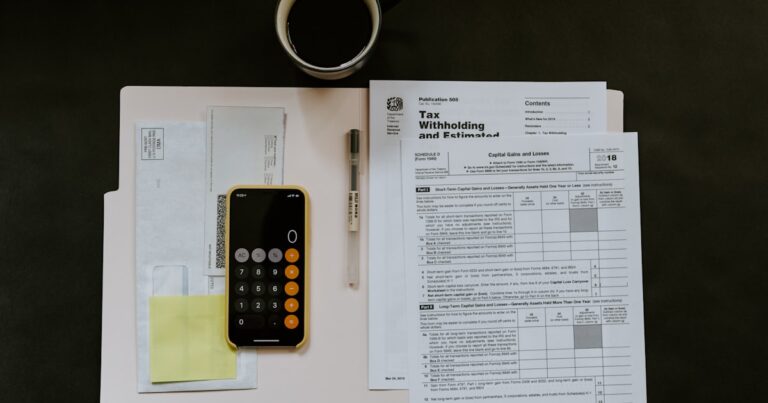
Investment property depreciation is one of the most valuable tax deductions available to Australian property investors: and one of the most frequently missed. Unlike most deductions, depreciation is a non-cash expense: you don’t actually spend the money, but you still get to claim it against your rental income. Here’s how it works. Understanding investment property depreciation Australia allows investors to reduce their taxable income significantly.
What is depreciation on an investment property?
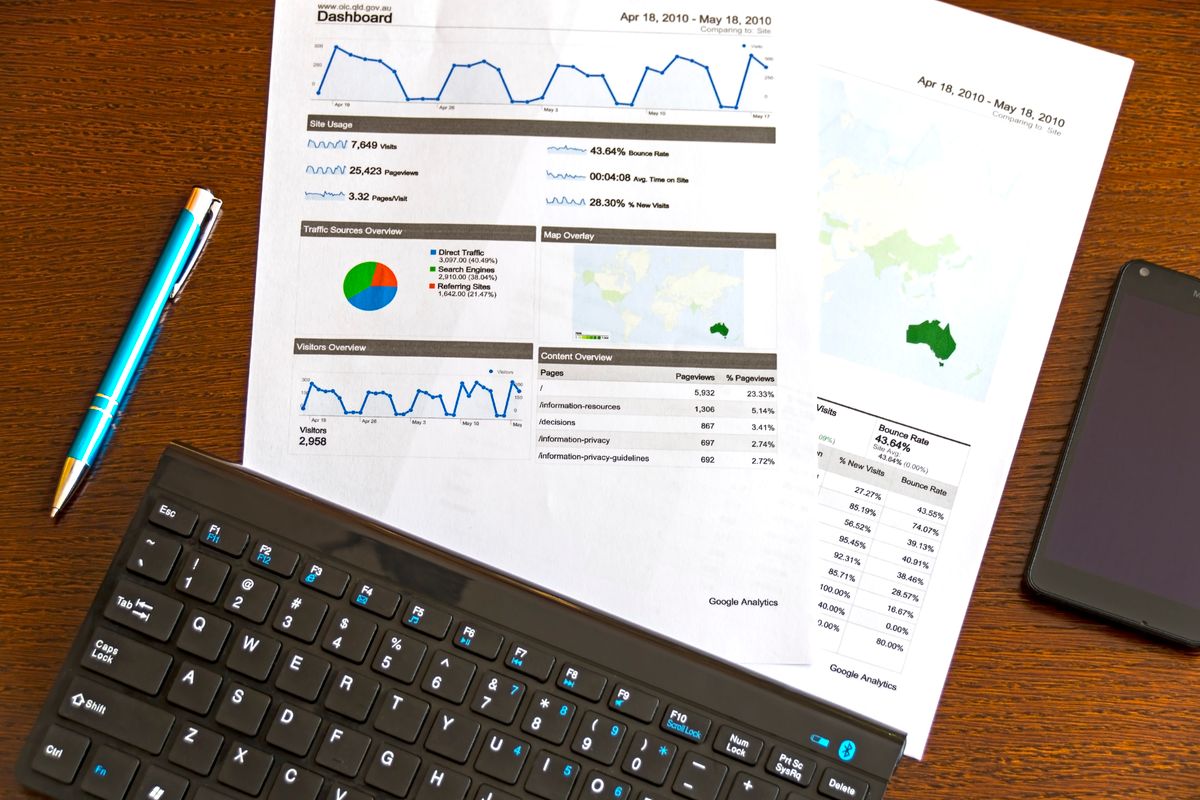
Depreciation is the natural wear and tear that occurs on a building and its contents over time. The ATO allows investment property owners to claim this decline in value as a tax deduction each year. There are two types of depreciation claims available: Division 43 (capital works deductions) and Division 40 (plant and equipment depreciation).
Division 43: Capital works deductions
Division 43 covers the structural elements of a building: the walls, floors, roof, windows, and fixed fittings like kitchen cupboards and bathroom tiles. For residential properties, you can claim 2.5% of the original construction cost per year, for up to 40 years from the date the building was first used or available for use. To claim Division 43, the property must have been built after 15 September 1987 (for residential) or 20 July 1982 (for commercial). Investment property depreciation Australia is governed by the ATO’s Division 40 and Division 43 rules.
For example, if a property cost $300,000 to construct, the annual Division 43 deduction would be $7,500 per year (2.5% x $300,000). On a 37% marginal tax rate, that’s a tax saving of $2,775 per year from a deduction that costs you nothing in cash.

Division 40: Plant and equipment
Division 40 covers removable assets within the property: things like carpet, hot water systems, air conditioning units, dishwashers, blinds, and smoke alarms. Each item has an effective life set by the ATO, and you can claim either the prime cost method (straight-line) or diminishing value method (higher deductions earlier) for each asset. Every investment property depreciation Australia schedule should be prepared by a qualified quantity surveyor.
Important: since May 2017 rule changes, investors who purchase second-hand residential properties can no longer claim Division 40 depreciation on existing plant and equipment items that were in the property at settlement. You can only claim Division 40 on brand-new items you install after purchase. This rule change significantly reduced the depreciation benefit of buying established investment properties.

Do you need a quantity surveyor?
Yes: to claim depreciation on an investment property, you need a tax depreciation schedule prepared by a qualified quantity surveyor. This document lists every depreciable element of the property and its annual deduction. The ATO requires this report as the basis for your claims. The cost of preparing the schedule is itself tax deductible, and a good schedule will typically save far more than it costs. Expect to pay $300–$700 for a residential depreciation schedule.
Who benefits most from depreciation deductions?
Depreciation benefits are greatest for investors who: own newer properties (more construction cost to claim), are on higher marginal tax rates (the deduction is worth more), and have negatively geared properties (depreciation adds to the deductible loss, reducing tax further). Investors who buy brand-new properties or newly renovated properties will typically see the largest depreciation claims. See our guide on negative gearing in Australia for how depreciation interacts with your overall tax position.
How to Claim Investment Property Depreciation in Australia
Your accountant will use your depreciation schedule to complete the rental property section of your tax return. Division 43 deductions go on the “Capital works” line; Division 40 deductions go on “Decline in value of depreciating assets.” Make sure your accountant has a copy of the schedule each year: the deductions change annually as assets reach the end of their effective life. For more on managing your investment property finances, visit our Finance & Tax section. The ATO’s rental deductions guide and the Australian Institute of Quantity Surveyors are essential resources for investment property depreciation Australia claims.
Frequently Asked Questions. Investment Property Depreciation Australia
How much depreciation can I claim on an investment property in Australia?
On a post-1985 property with $350K construction cost, Division 43 alone generates $8,750/year. Division 40 (plant and equipment) adds $3,000–$15,000 in early years. A quantity surveyor calculates exact figures for your property.
Can I claim depreciation on an old investment property?
Division 43 (building) applies only to properties built after 1987. Division 40 (plant and equipment) applies to second-hand properties only for assets you purchase: not ones inherited from the previous owner, due to 2017 Budget changes.
Do I need a quantity surveyor for depreciation?
Yes: the ATO requires a qualified quantity surveyor. Schedules cost $600–900 (tax deductible) and generate deductions for the full life of the property.
One Property at a time
Brick by Brick 🧱
General Advice Warning: This article is general in nature and does not constitute personal financial advice. Please consult a licensed financial adviser before making investment decisions.