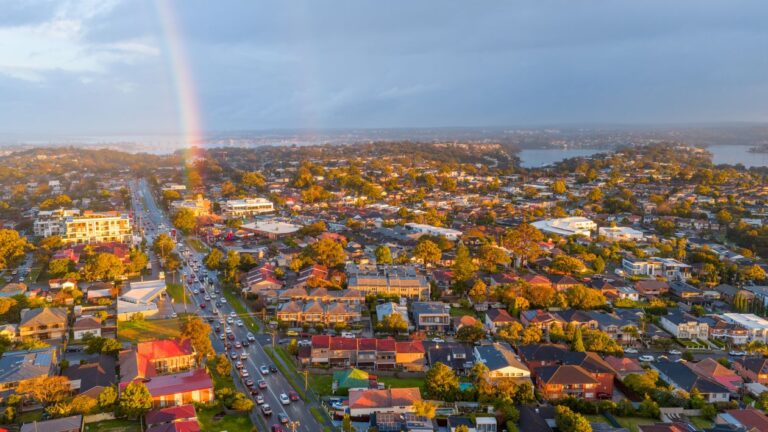

Port Macquarie sits at a sweet spot on the NSW Mid North Coast — big enough to have good services and employment, small enough that housing remains affordable relative to Sydney and Newcastle. The city of around 85,000 has been absorbing sea-change and tree-change migrants since the pandemic, and the structural demand this created hasn’t fully unwound. For investors seeking a combination of coastal lifestyle appeal, population growth, and yields that still sit above 4.5%, Port Macquarie deserves serious consideration in 2026.
Port Macquarie Market Snapshot 2026
The Port Macquarie-Hastings LGA covers a diverse range of properties from beachside units to semi-rural acreage. The median house price in the broader LGA sits around $690,000–$730,000, with units at approximately $490,000–$520,000. Coastal-facing suburbs command premiums while western fringe suburbs offer the best yield-to-price ratio. Vacancy rates remain tight at roughly 1.2–1.8%, reflecting the limited rental supply relative to ongoing population growth. Rental yields for houses average 4.5–5.2% gross, with well-positioned units returning 5.0–5.8%.
What’s Driving Demand in Port Macquarie
Several structural tailwinds underpin Port Macquarie’s investment case. First, population growth: the city has grown by roughly 1.5–2% per year and this trend is continuing as Sydneysiders continue to relocate for lifestyle and affordability. Second, infrastructure: the bypass of the Pacific Highway has dramatically cut travel time to Sydney (~4 hours), improving connectivity. The hospital expansion and Charles Sturt University presence anchor professional employment. Third, the tourism economy generates both short-term rental demand and a pool of lifestyle-motivated buyers who push prices higher over time. Fourth, regional rail — while not fast rail, the Grafton-Sydney XPT still makes the city accessible for commuters willing to work partially remotely.
Best Suburbs for Investors in 2026
Thrumster is the city’s key growth corridor — a master-planned greenfield area with new estates, good schools, and strong rental demand from families. Entry prices are reasonable (~$620,000–$680,000 for a 4-bed) and yields sit around 5.2–5.5%. Wauchope, about 20km inland, offers some of the region’s best yields (5.5–6%) at sub-$500,000 prices — ideal for cash-flow-focused investors. The trade-off is slower capital growth. Port Macquarie town centre and surrounds offer units targeting the FIFO, healthcare worker, and student renter market — yields around 5% with strong occupancy. Avoid speculative rural/acreage plays unless you understand that market deeply — vacancy and liquidity risks are higher.
Risks to Watch in Port Macquarie
No market is without risk. In Port Macquarie, the main concerns are: (1) Flood-prone areas — parts of the Hastings floodplain and some estates have flood risk that affects insurability and resale. Always check the council flood overlay before buying. (2) Oversupply in greenfield areas — rapid new estate development can keep a lid on capital growth in suburbs like Thrumster in the short term. (3) Tourism short-term rental competition — Airbnb supply is high in beach-facing streets, which can suppress long-term rental demand in those pockets. (4) Interest rate sensitivity — like all regional markets, Port Macquarie was sensitive to rate cycles and some investors are still adjusting.
Short-Term vs Long-Term Rental Strategy
Port Macquarie’s tourist draw makes short-term rentals (Airbnb/Stayz) appealing — particularly for properties within 2km of Town Beach or Flynn’s Beach. Peak season occupancy (school holidays, summer) is strong. However, off-season vacancy can hurt returns. A hybrid strategy — long-term lease with short-term during holidays — can work but requires flexible tenants or gaps in the tenancy. For most investors, a standard long-term tenancy is simpler and provides more reliable income. If you’re set on STR, model a 55–65% annual occupancy rate to stay conservative.
Port Macquarie vs Competing Regional Markets
How does Port Macquarie stack up against similar coastal regionals? Compared to Coffs Harbour (similar price, slightly lower yields), Port Mac offers better infrastructure and a more diverse economy. Versus Forster-Tuncurry (lower entry, higher yields but smaller economy), Port Mac wins on liquidity and tenant quality. Versus Byron Bay and surrounds (much higher prices, compressed yields), Port Mac is far more accessible and yield-positive. For the investor seeking the sweet spot of coastal lifestyle, population growth, and returns above 5%, Port Macquarie is among the top five NSW regional markets in 2026.
Port Macquarie has quietly matured from a retirement escape into a genuine regional city with economic depth, infrastructure investment, and consistent rental demand. Investors who look past the postcard image and focus on the fundamentals — tight vacancies, yield above cost of debt, and population growth — will find a market that rewards patience.
One Property at a time
Brick by Brick 🧱
General Advice Warning: This article is general in nature and does not constitute personal financial advice. Please consult a licensed financial adviser before making investment decisions.