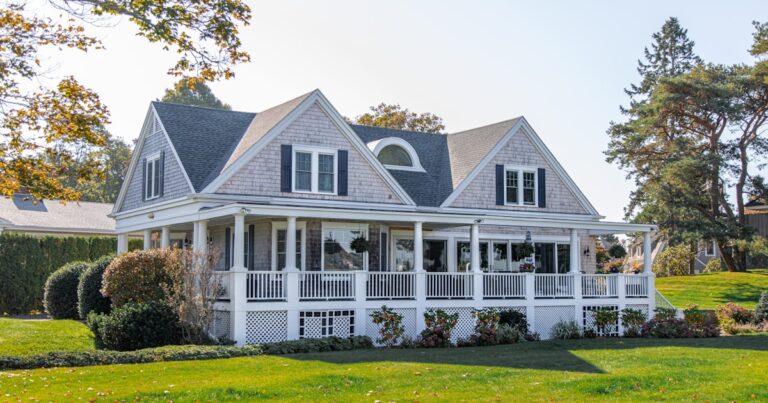

Geelong is Victoria’s second-largest city and one of the most transformed regional cities in Australia over the past decade. An hour from Melbourne by train, Geelong has evolved from a post-industrial city into a diversified regional hub with Deakin University, NDIS and healthcare employment, a revitalised waterfront, and strong tourism. Property prices are significantly below Melbourne — but the gap has been closing steadily. Here is the Geelong investment case for 2026.
Geelong Market Snapshot 2026
Geelong’s median house price sits at approximately $700,000–$800,000 in the inner suburbs (Geelong CBD, Newtown, Belmont) and $550,000–$680,000 in the outer growth corridors (Armstrong Creek, Lara, Leopold). Gross rental yields are 4.0%–5.5%, with outer suburbs offering better yield and inner suburbs offering stronger capital growth. Vacancy rates are tight at 1.0%–2.0%. Victoria’s land tax applies to Geelong investors and is a significant cost consideration — budget $2,000–$5,000+ per year depending on site value. This reduces net yields materially compared to Queensland or WA equivalents.
Geelong vs Melbourne — Investment Comparison 2026
Geelong offers better yields than Melbourne metro at a 20–30% price discount while maintaining Melbourne commuter appeal (1 hour by train). Victoria’s land tax significantly reduces net yields — always model this before purchase.
Best Geelong Suburbs for Investment 2026
Armstrong Creek: Master-planned growth corridor south of Geelong, new housing estates, median $580,000–$700,000, strong family demand, good long-term growth as infrastructure matures. Belmont: Established suburb south of Geelong CBD, median $650,000–$800,000, strong Deakin University proximity, solid owner-occupier appeal. Corio / Norlane (north Geelong): Most affordable in the LGA, median $400,000–$530,000, yields approaching 6%, but historically more volatile with lower capital growth trajectory. Lara: 20km north on the freeway, growing suburb, median $550,000–$650,000, strong family demand, Avalon Airport proximity. Newtown / Geelong West: Premium inner suburbs, median $850,000–$1.1M, strong owner-occupier demand and gentrification, but yield is compressed at 3.5%–4.0%.
Geelong vs Melbourne: The Investment Case
Geelong offers Melbourne-adjacent lifestyle at a 20%–30% price discount. The Melbourne commute is genuine and workable — 1 hour by V/Line train, 75 minutes by car. For investors, this means Geelong tenants include Melbourne professionals who want lifestyle without Melbourne prices. The Victoria land tax is the biggest negative — it meaningfully reduces net yields versus equivalent properties in Queensland or WA. Despite this, Geelong has consistently delivered strong capital growth over 10-year periods as the city economy has diversified and Melbourne sea-change demand has intensified. For investors prepared to absorb the land tax cost, Geelong remains one of Victoria’s most compelling regional opportunities in 2026.
Geelong is the clearest example of a regional city that has earned its own investment thesis — independent of Melbourne’s shadow, but still benefiting from Melbourne’s economic gravity. The land tax is real, the yields are solid, and the 10-year capital growth track record speaks for itself.
One Property at a time
Brick by Brick 🧱
General Advice Warning: This article is general in nature and does not constitute personal financial advice. Please consult a licensed financial adviser before making investment decisions.