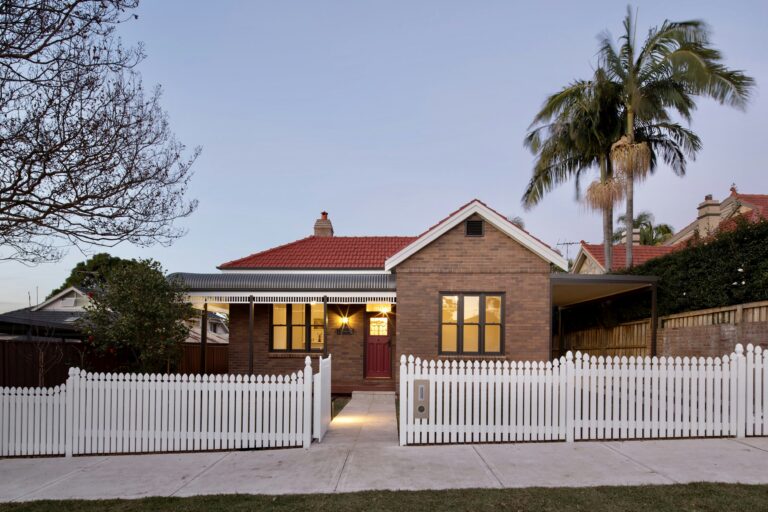
Property depreciation is one of the most underused — and most valuable — tax deductions available to Australian property investors. Unlike most expenses, it doesn’t actually cost you cash — yet it reduces your taxable income. If you own an investment property and haven’t organised a depreciation schedule, you’re likely leaving money on the table.
What is property depreciation?
Depreciation is the gradual reduction in value of your property’s structure and the assets inside it as they wear out over time. The ATO allows you to claim this as a tax deduction each year, even though you haven’t actually spent money in that year.
There are two types of depreciation you can claim on an investment property:
1. Capital works (Division 43)
This is the depreciation of the building structure itself — walls, roof, floors, and built-in fixtures. You can generally claim 2.5% of the original construction cost per year over 40 years. Properties built after July 1985 are eligible. Older properties are not.
2. Plant and equipment (Division 40)
This covers depreciable assets within the property — carpet, blinds, dishwashers, air conditioners, hot water systems, stoves. Each item depreciates at its own rate over its effective life. A carpet might depreciate over 10 years. A dishwasher, 12 years.
Note: Since 2017 changes, second-hand residential properties have restrictions on claiming plant and equipment depreciation. New properties and commercial properties are still fully eligible.
How much can you actually claim?
It depends on the age and construction of the property, and what’s in it. A new two-bedroom apartment in Brisbane might return $8,000–$15,000 in depreciation deductions in the first year alone. A 1970s house with minimal improvements will be much lower, and possibly only the plant and equipment items are claimable.
You need a quantity surveyor report
To claim depreciation, you need a tax depreciation schedule prepared by a registered quantity surveyor. Your accountant can’t estimate this for you — it requires an expert inspection and measurement of the property. The report costs between $300 and $700 typically, but it’s tax deductible, and you only pay for it once.
Companies like BMT Tax Depreciation, Depreciator, and Washington Brown are well-known operators in this space. Shop around — the fee varies and the service is largely commoditised.
When to get the report
Ideally, get the depreciation schedule done shortly after settlement. The sooner you have it, the sooner your accountant can incorporate it into your tax returns. That said, it’s not too late if you’ve owned the property for a few years — some quantity surveyors can backdate the schedule and you may be able to amend prior tax returns.
Talk to your accountant about whether an amendment is worthwhile, especially if you’ve been missing significant deductions.
Getting the most from your depreciation claim
The single best move you can make to maximise property depreciation is to hire a qualified quantity surveyor to prepare a tax depreciation schedule. Unlike your accountant, a quantity surveyor is legally authorised to estimate the original construction cost of your property and the value of fixtures and fittings — even if you didn’t buy new. A good depreciation schedule can unlock thousands of dollars in additional deductions each year.
The schedule is a one-off cost (typically $600–$900) and is itself tax deductible. It covers Division 43 (capital works) and Division 40 (plant and equipment) deductions, and stays valid for the life of the property unless you undertake major renovations.
The ATO’s guide to capital works deductions explains the rules in full. If you’re also exploring negative gearing alongside property depreciation, our article on negative gearing in Australia explains how the two strategies work together to minimise your tax obligations.
General Advice Warning: This article is general in nature and does not constitute personal financial advice. Please consult a licensed financial adviser before making investment decisions.