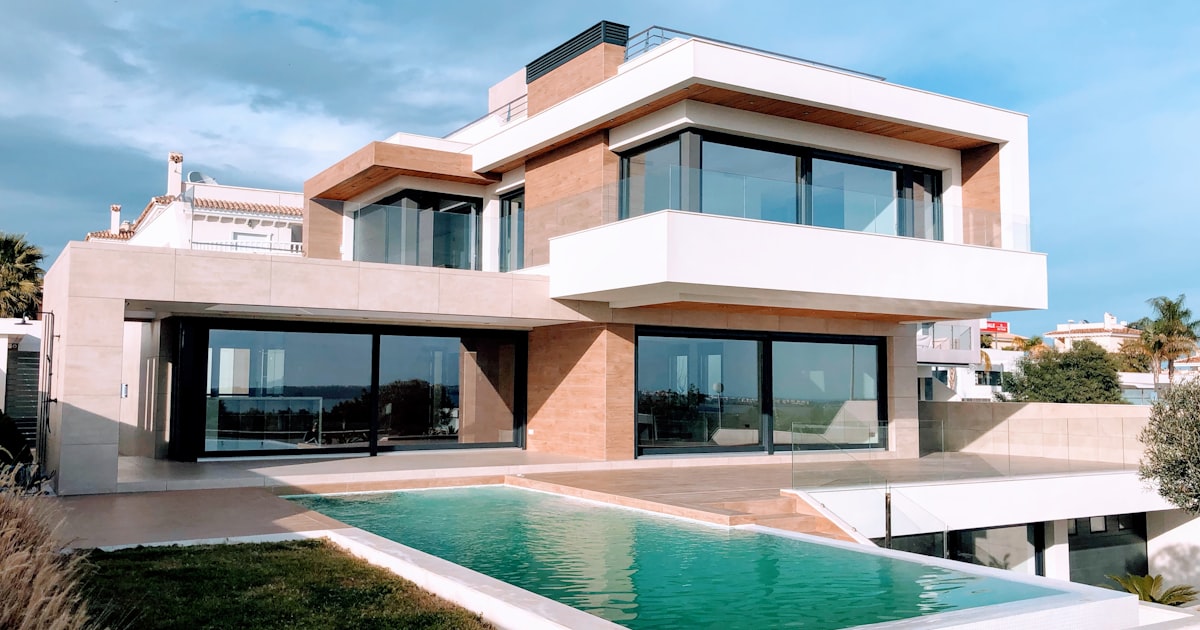

Townhouse investment property in Australia is often the most overlooked asset class in property portfolios: and frequently the most efficient. A townhouse sits between a unit and a freestanding house: you own the building and usually a small parcel of land, pay a relatively modest body corporate fee (if any), and access yields that often beat both apartments and houses in the same suburb.
Understanding when a townhouse makes sense (and when it doesn’t) is essential for any Australian investor building a portfolio in 2026.
What Is a Townhouse? Definitions Matter for Investors
In Australia, “townhouse” typically refers to a multi-level dwelling that shares one or two walls with neighbouring dwellings, is part of a small complex (usually 2–20 dwellings), and has its own land component (even if small). The key distinction from an apartment: a townhouse usually has a courtyard or small yard, a garage, and is typically two storeys.
From a legal and finance perspective, townhouses are usually strata or community titled: meaning there’s a body corporate managing shared areas, and you pay levies. Some older Victorian townhouses are company titled, which creates different financing constraints: not all lenders finance company title, so verify with your broker before proceeding.
Why Investors Buy Townhouses
1. Land Content + Depreciation = Stronger Tax Position
A townhouse gives you land content (unlike a pure apartment) and meaningful building depreciation (unlike a freestanding house at higher price points where the land-to-value ratio is too high to generate strong depreciation). On a $650K townhouse built after 2015, a quantity surveyor report might identify $12,000–$18,000 in Year 1 depreciation deductions across building and fittings. At a 47% marginal rate, that’s $5,600–$8,460 back from the ATO. See our full guide on investment property depreciation for how to maximise this.
2. Rental Yield That Beats Houses in the Same Area
In most Australian suburbs, a $650K townhouse yields 4.8–5.5%, while a $900K freestanding house in the same street yields 3.8–4.5%. The yield gap reflects the land value premium in the house price: land doesn’t generate rent, it generates capital growth. For investors who need cash flow, the townhouse captures more yield per dollar invested while still maintaining land content for future growth.
3. Lower Maintenance Than Freestanding Houses
With shared external maintenance handled by the body corporate (roof replacements, external painting, shared driveway repairs) townhouse investors often spend less on maintenance than house investors. For investors who self-manage or want lower ongoing intervention, this is a real structural advantage.
4. The Tenant Profile
The townhouse tenant demographic is among the strongest in the market: families who want house-style living (yard, garage, multiple bedrooms, no shared internal walls) but can’t afford or choose not to pay house rents. This cohort tends to stay longer, maintain properties better, and generate lower vacancy than the young professional apartment market.
Townhouse vs House vs Unit. Yield Comparison
Typical Gross Yield by Property Type. Inner/Middle Ring Capital City (2026)
Indicative ranges for investor-grade properties in inner/middle ring Australian capitals, August 2026.
The townhouse consistently sits in the yield sweet spot: commanding near-house rents (families want the lifestyle) at a lower purchase price than a freestanding house, and with better capital growth prospects than apartments due to land content.
What to Check Before Buying a Townhouse as an Investment
Body Corporate Records. The Most Important Step
Request the body corporate records going back at least 3 years. Look for: the sinking fund balance (is it adequately funded for future capital works?), any special levies raised recently (a warning sign of underfunding), upcoming major works, any history of owner disputes, and the ongoing admin and sinking fund levy schedule. A healthy sinking fund with no recent special levies is a green flag. An underfunded sinking fund with deferred maintenance means the cost will arrive as a future special levy on owners.
Ongoing Levy Costs
Body corporate levies for townhouses vary enormously. A small 4–6 dwelling complex with minimal shared amenity might cost $600–1,200/year. A larger complex with pool and lift could cost $4,000–8,000/year. Always model levies into your cash flow: they reduce your net yield directly.
Title Type and Lending
Confirm strata or community title (standard, most lenders fine). Company title raises financing constraints: verify with your broker before proceeding. For off-the-plan townhouses, verify the developer’s track record and ensure the contract has appropriate exit rights if the final product differs materially.
Construction Quality for Older Stock
Townhouses built before 2010 may have structural or waterproofing issues that weren’t evident initially but emerge over time. For buildings over 10 years old, commission a strata inspection report (not just building and pest) to identify any systemic complex-wide issues that are the body corporate’s (and therefore your shared) responsibility to fix.
Best Markets for Townhouse Investment in 2026
Townhouses perform best in markets where the price gap between apartments and freestanding houses is large: because that gap is exactly where the townhouse’s value proposition lives. Markets fitting this profile in 2026:
- Brisbane middle ring (Annerley, Moorooka, Salisbury): townhouses $580–700K with 5%+ yield while houses in the same suburbs exceed $900K
- Perth inner ring (Bayswater, Morley, Embleton): townhouses $550–650K with 5.2–5.8% yield in a strong post-boom rental market
- Newcastle: townhouses near the university at $450–550K yielding 5%+ with strong student and healthcare worker demand
- Geelong northern suburbs: townhouses $420–520K with 5%+ yield from NDIS and healthcare worker tenants
See suburb guides for Brisbane, Perth, Newcastle, and Geelong.
Key Risks
- Special levies: A large unexpected special levy (e.g. $15,000 per owner for roof replacement) materially impacts cash flow in the year it falls. Sinking fund adequacy is the primary risk to manage: check it before buying, not after.
- Body corporate disputes: Shared ownership means shared decision-making. Difficult owners on the committee can create genuine headaches. Review meeting minutes before committing.
- Resale liquidity: Townhouses can be slower to sell than freestanding houses in some markets, and may discount more in downturns. Plan for a minimum 7-year hold.
- Oversupply in some precincts: Some inner-city townhouse precincts have seen significant new supply in 2023–2026. Research vacancy rates specifically for townhouses in your target suburb.
Frequently Asked Questions. Townhouse Investment Property Australia
Is buying a townhouse a good investment in Australia?
Yes: higher yields than houses at lower entry prices, strong depreciation deductions from land and building components, and a stable family tenant demographic. Key risk: body corporate sinking fund adequacy. Always review BC records before purchasing.
Do townhouses appreciate in value in Australia?
Yes. Well-located townhouses appreciate over time: typically slower than freestanding houses but materially better than apartments due to land content. They occupy the capital growth middle ground between the two.
Townhouse investment property in Australia occupies a genuine sweet spot: better cash flow than houses, better capital growth than apartments, better depreciation than both. In 2026, with interest rates still elevated and every 0.5% of yield meaningful for cash flow, the townhouse’s yield premium over freestanding houses makes it more relevant than ever. Do the body corporate due diligence, model the levies, and you have one of the most efficient investment structures in the Australian market.
One Property at a time
Brick by Brick 🧱
General Advice Warning: This article is general in nature and does not constitute personal financial advice. Please consult a licensed financial adviser before making investment decisions.