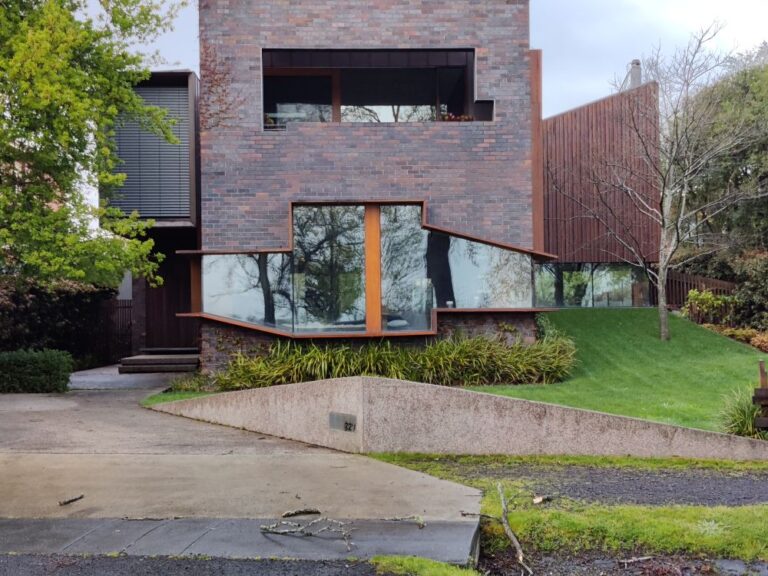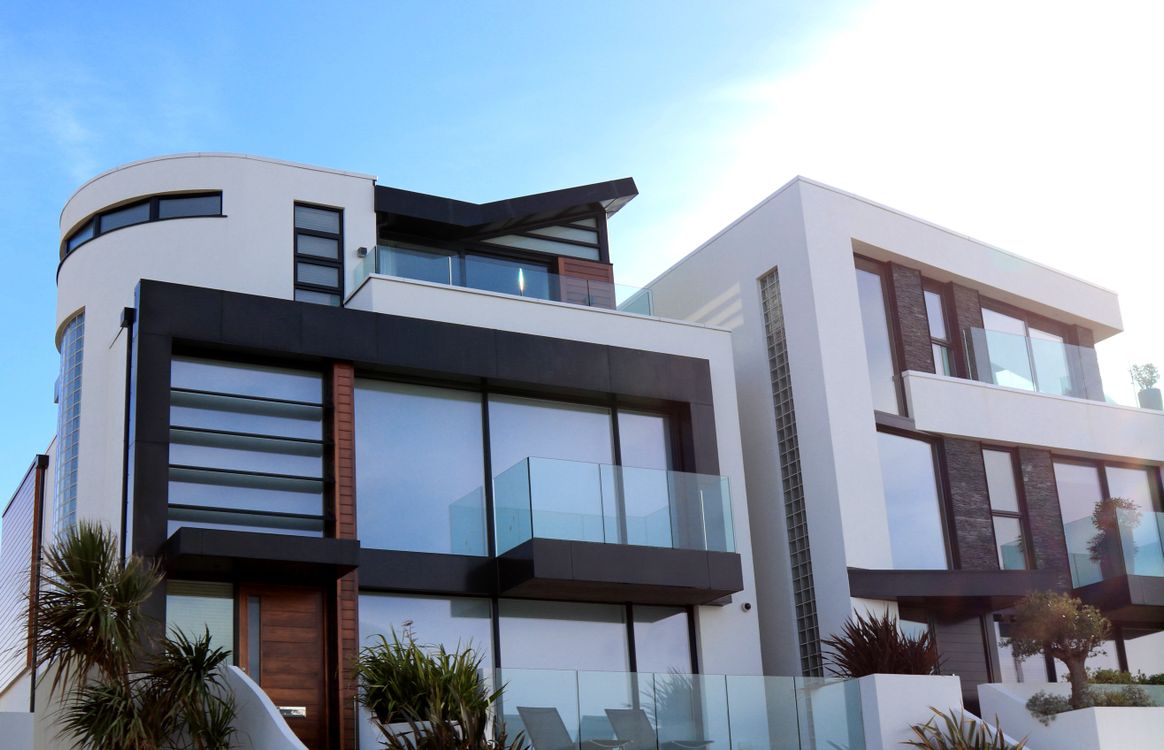
When my partner and I bought our first duplex investment property in Australia at 23 and 22, most people we spoke to didn’t even know what a duplex was. Two dwellings, one title, two separate rental incomes — all from a single purchase. It’s an unusual choice for a first investment, but looking back, it’s one of the best decisions we’ve made.
Here’s exactly what it’s like to own a duplex, what the numbers look like, and what we wish we’d known before we signed the contracts.
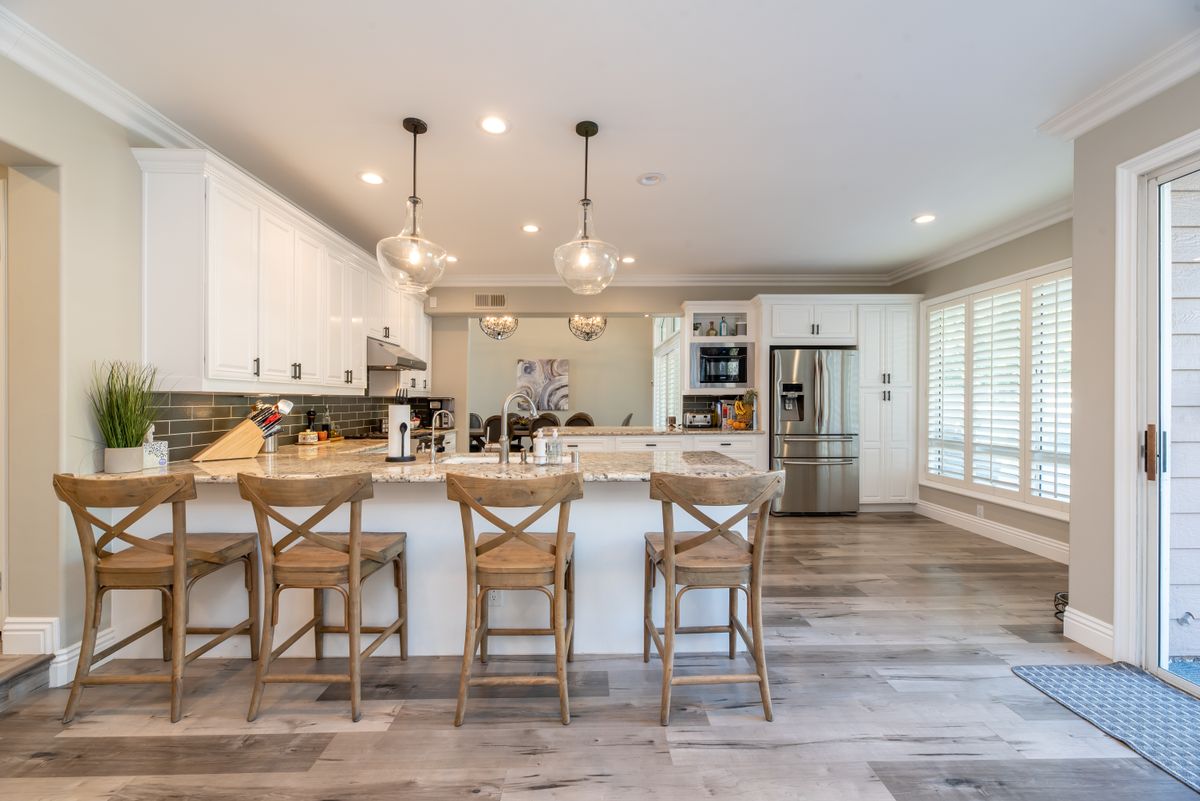
What Is a Duplex Investment Property in Australia?
A duplex is a single property title that contains two separate dwellings. Each dwelling has its own entrance, living areas, kitchen, and outdoor space. They share a common wall.
In Australia, duplexes sit on their own land title (or strata title, depending on the arrangement). This is different from an apartment or unit — a duplex typically comes with land, which matters for long-term capital growth, council rates, and future development options.
Perth has a significant stock of duplex and dual-occupancy properties, particularly in the middle and outer suburbs. That’s partly why we ended up there — the combination of entry price, yield, and duplex availability made Perth the most compelling market for what we were trying to do.
Why We Chose a Duplex as Our First Investment Property
We didn’t start out looking for a duplex. We started with a standard house. But when we ran the numbers on a duplex investment property in Australia — specifically in Perth — the math became very hard to ignore.
Two income streams from one purchase. Instead of one tenant and one rent, a duplex gives you two. If one side is vacant for a month, you’re still receiving income from the other. That’s a meaningful risk reduction that a single-tenancy property simply can’t match.
Better rental yield on the same capital. The combined rent from both sides of our duplex is substantially higher than a single house of equivalent purchase price. Our gross yield came out around 7.2% — exceptional by any Australian market’s standards right now.
One loan, one title, one set of purchase costs. A duplex is legally one property, which means one mortgage, one set of council rates, one insurance policy, and one set of stamp duty and legal fees. You get the income of two properties with (mostly) the administrative overhead of one.
Lower vacancy risk. With a single property, if your tenant leaves, income drops to zero. With a duplex, your maximum vacancy exposure at any one time is 50% — and in practice, both sides being empty simultaneously is rare.
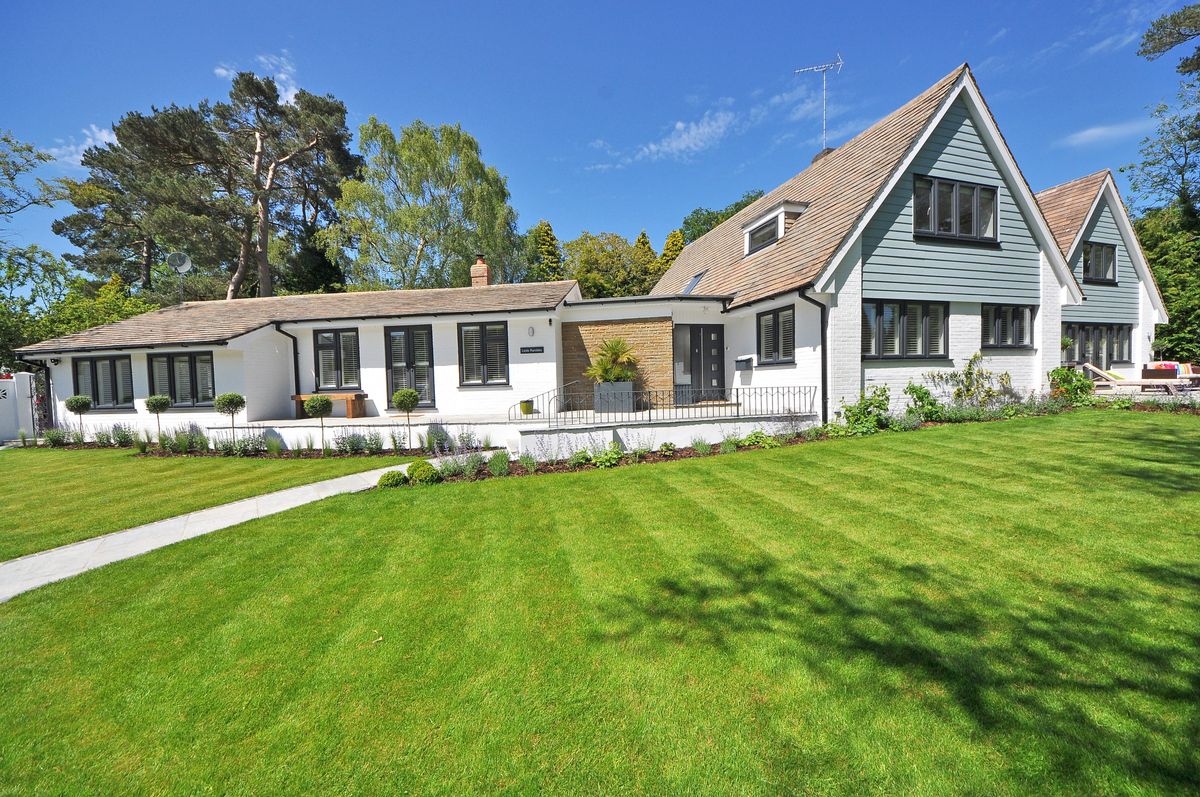
The Numbers: What Our Duplex Actually Returns
We bought a duplex in Perth. It has a 3-bedroom dwelling and a 2-bedroom dwelling. Both sides were tenanted when we purchased.
The 3-bedroom side rents for $550 per week. The 2-bedroom side rents for $420 per week. Combined: $970 per week, or approximately $50,440 in gross annual rental income.
We looked carefully at property management fees before committing. In Perth, management fees typically run 8–10% of weekly rent. Our manager charges 8.8%, covering routine inspections, maintenance coordination, tenant liaison, and monthly reporting.
After management fees, council rates, water, insurance, and a maintenance reserve of roughly 1% of purchase price annually, the property is positively geared. It generates income every month rather than costing us money — and that’s before any depreciation benefits at tax time.
According to the ATO’s guidance on residential rental properties, depreciation deductions can significantly reduce your taxable income, particularly for newer dwellings. A duplex gives you two sets of depreciable assets — two lots of fixtures, fittings, and appliances.

What Nobody Tells You About Owning a Duplex in Australia
We’ve held the property for over a year. Here’s what surprised us.
Two tenants means two of everything. Two lease agreements. Two sets of condition reports. Two routine inspection cycles. Two maintenance requests (rarely at the same time, but still). Your property manager handles most of this, but the administrative load is genuinely higher than a single tenancy. Budget for that in your management fee negotiations.
Shared infrastructure can get complicated. A duplex shares certain elements — roof, sometimes drainage, the boundary fence between the two. When something affecting shared infrastructure needs attention, coordination is more complex than a standalone house. Again, a good property manager handles this well, but it’s worth knowing upfront.
Depreciation is a bigger opportunity than you’d expect. With two dwellings, your depreciation schedule covers two lots of everything. If the property is relatively new, the deductions can be substantial. We delayed getting our depreciation report organised by a couple of months after settlement — a mistake we wouldn’t make again.
Neighbour dynamics occasionally come up. Most of the time, duplex neighbours coexist without issue. In our first year, we had one noise complaint that our property manager resolved quickly. It’s not a frequent problem, but it’s one that doesn’t exist with a standalone house.
How We Manage a Duplex Investment Property From Sydney
We’re interstate investors. We live in Sydney; our duplex is in Perth. For many people, this sounds difficult. In practice, it works well if your property manager is the right fit.
Before we exchanged on the duplex, we had already spent time finding the right property manager in Perth. We interviewed multiple agencies, asked for references, reviewed their vacancy rates across their portfolio, and specifically asked how they handle maintenance on dual-occupancy properties. The agency we chose had clear processes for exactly this.
Since purchasing, our property manager handles quarterly routine inspections, monthly financial statements, all maintenance under a pre-agreed threshold, and any tenant issues. When something requires our sign-off, they call us. We’ve been to Perth twice since buying — both visits confirmed the properties are well maintained and the tenants are happy.

Would We Buy a Duplex Investment Property in Australia Again?
Without hesitation, yes.
The dual income has performed exactly as we modelled. The reduced vacancy risk has been real — both sides have been continuously tenanted since we purchased. The yield is strong. The tax treatment is favourable. And while the administrative complexity is slightly higher than a single property, the financial upside more than compensates.
If you’re getting started with investment property in Australia and you’re considering a duplex, here are the things we’d check:
- Both dwellings should have separate entrances and ideally separate utility meters
- Check zoning for future development potential
- Inspect shared infrastructure (roof, drainage) carefully before buying
- Get a building and pest inspection covering both dwellings
- Factor in the slightly higher property management complexity
- Organise your depreciation schedule immediately after settlement
We were 23 and 22 when we bought. No prior property experience. Investing in a city we didn’t live in. And it’s worked out exactly as we hoped.
Sometimes the best investment isn’t the simplest one. It’s the one where the numbers make sense — and for us, that was a duplex investment property in Australia.
One Property at a time
Brick by Brick 🧱
General Advice Warning: This article is general in nature and does not constitute personal financial advice. Please consult a licensed financial adviser before making investment decisions.